Running a successful company starts with having a strong board that makes clear decisions, sets achievable goals, and drives the whole organization forward. With businesses scaling faster and new regulations appearing constantly, many boards find it hard to keep up.
In this article, you will find proven guidance on board effectiveness strategies. These strategies come from Boardroom Dialogue experts who have years of experience in board training and coaching, and they are already trusted by many leading companies across the UK and Europe.
Why Do Business Boards Need Better Guidance on Effectiveness
Before diving into the solutions, let’s understand why so many boards are struggling to deliver value in today’s business environment.
We see that many boards do not really have a clear plan for how to work effectively. Directors usually come in with good intentions, but without a clear structure for good governance.
Without proper guidance on board effectiveness, even experienced directors can find themselves lost in endless meetings that produce little strategic value.
Let’s admit the fact that the business landscape has had big changes in the previous decade. Many company boards are having difficulties with cybersecurity threats, ESG requirements or even with AI governance.
| Challenge Area | Impact on Boards | Why Guidance is Critical |
| Technology governance | 83% unprepared for AI oversight | Need specialized knowledge frameworks |
| Stakeholder expectations | Increased scrutiny and demands | Require structured engagement approaches |
| Regulatory complexity | More compliance requirements | Must balance compliance with strategy |
If you want to learn more about improving your board’s performance, this guidance on board effectiveness provides the roadmap you need.
The 8 Areas Where Boards Need Expert Guidance
1. Strategic Planning and Oversight Guidance
There are many company boards which struggle with the balance between the strategic oversight and operational interference. Effective guidance on board effectiveness starts with clarity about the board’s strategic role.
Your business board needs guidance on:
- How to evaluate strategic plans without micromanaging
- Setting meaningful strategic metrics and KPIs
- Timing strategic reviews with business cycles
- Balancing short-term pressures with long-term vision
From our experience with businesses, boards that get the right guidance on strategic oversight quickly improve their ability to contribute to important discussions.
2. Risk Management and Compliance Guidance
Risk is always evolving, and your board needs guidance to stay ahead of emerging threats.
Key areas where expert guidance helps:
- Cybersecurity oversight without micromanaging
- Integrating ESG into business strategy
- Managing regulatory compliance across regions
- Planning for crises and business continuity
The goal is to build board-level risk awareness so you as a director can focus on the risks that really matter and ask the right questions
3. Board Composition and Skills Development Guidance
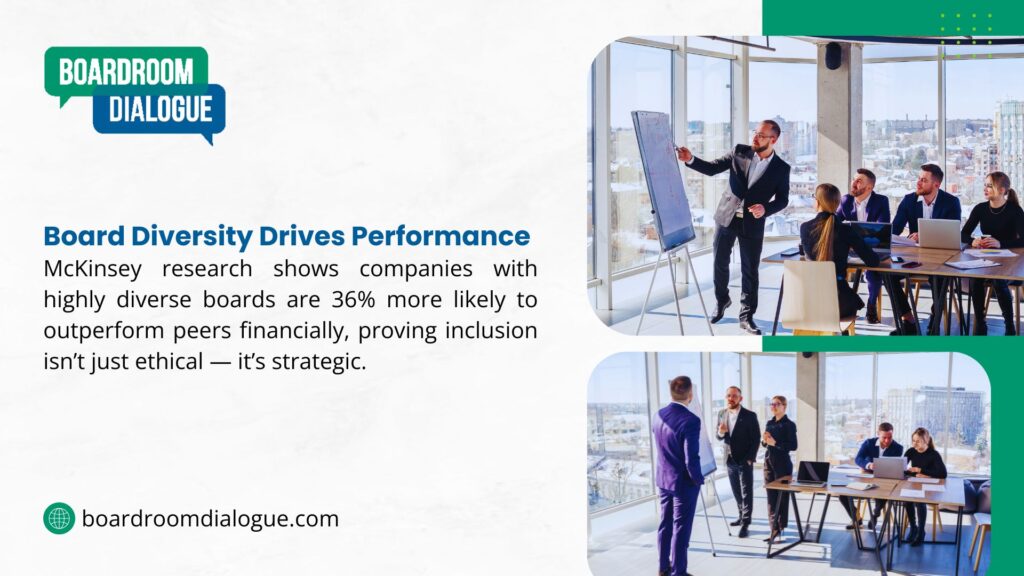
When you aim to build an effective board, you are not just looking to find the right people, but it requires strategic thinking about skills, diversity and group dynamics. Board effectiveness reviews often reveal gaps that boards didn’t even know existed.
Key guidance for board composition:
- Match required skills to your strategic challenges
- Understand different types of diversity and their benefits
- Plan succession for directors and leadership roles
- Integrate new directors smoothly into existing dynamics
Board evaluation processes should include assessment of collective capabilities, not just individual performance. The best boards use structured approaches to identify and address skills gaps proactively.
| Skills Category | Current Market Demand | Development Priority |
| Digital/AI expertise | Very High | Immediate focus |
| International experience | High | Ongoing development |
| Industry transformation | High | Strategic priority |
4. Meeting Effectiveness and Time Management Guidance
Poorly managed meetings can drain a board’s effectiveness faster than almost anything else. Boards need clear guidance on how to structure time for the biggest impact.
Meeting guidance priorities:
- Create agendas that focus on strategic discussions first
- Set clear expectations for pre-read materials and preparation
- Encourage productive debate without letting discussions drag
- Use technology to simplify, not complicate, meetings
Make sure to begin meetings with the most important strategic topic which you’re most focused on as a director. Move routine reports to pre-read materials or brief summaries. This method makes board time far more effective.
5. Information Flow and Board Materials Guidance
You can’t make strong decisions without clear information. We have seen company boards that too often, they face information overload or incomplete insights. Board papers and board packs need to serve you as a director, not make you feel frustrated.
Information guidance focus areas:
- Structure reports to support decision-making, not just share data
- Use dashboards and visuals to make complex info clear
- Deliver information at the right time for proper preparation
- Balance detailed data with a clear strategic overview
Effective board papers include executive summaries that highlight key decisions needed, focus on analysis rather than raw data, and provide clear recommendations with supporting rationale.
6. Stakeholder Engagement and Communication Guidance
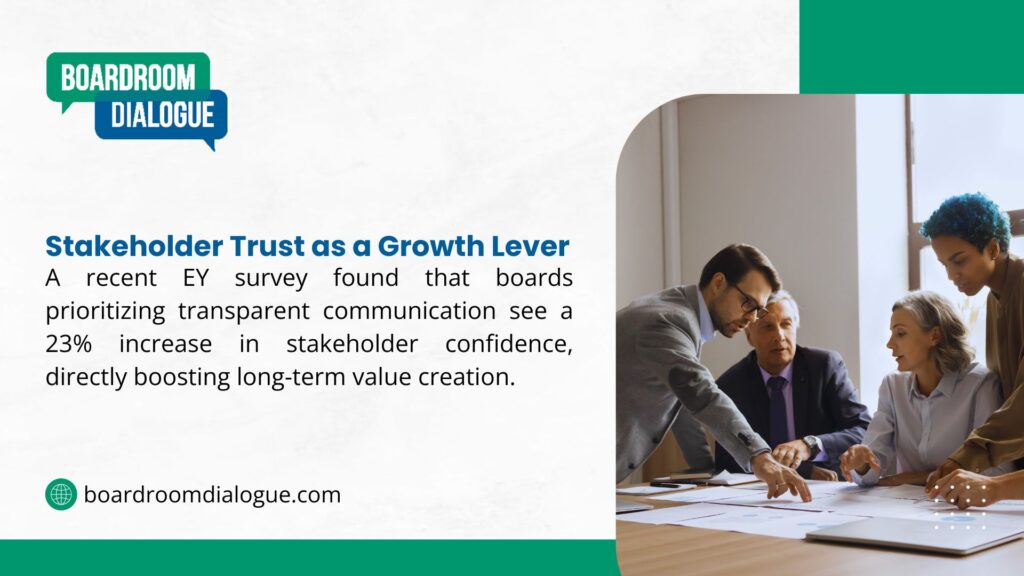
Your board must engage with stakeholders beyond just shareholders. This requires guidance on managing complex relationships and also maintaining governance independence.
Key Focus Areas:
- Understand different stakeholder expectations and priorities
- Communicate decisions clearly and explain the rationale
- Manage activist investors and special interest groups
- Balance transparency with confidentiality
The best boards use structured approaches that show they’re responsive to stakeholders without compromising their independence.
7. Performance Measurement and Improvement Guidance
The question is, how do you know if your board is actually working with effectivity? We have seen that most boards struggle to measure their own performance objectively. This is where external guidance on board effectiveness becomes invaluable.
Put your focus on these four points:
- Develop clear, meaningful board performance metrics
- Conduct honest self-assessments and peer evaluations
- Use external benchmarking to spot areas for improvement
- Make changes based on what evaluations reveal
Regular reviews should combine numbers with qualitative insights. The goal is helping your board improve continuously.
3 Common Mistakes That Undermine Board Effectiveness
- Mistake 1: Treating Guidance as One-Time Training
Many boards seek guidance only during crises or major transitions. Effective boards establish ongoing relationships with governance experts who provide continuous support and perspective.
- Mistake 2: Focusing Only on Compliance Requirements
While compliance is important, boards that limit their focus to regulatory requirements miss opportunities to create real strategic value for their organizations.
- Mistake 3: Avoiding Difficult Conversations About Performance
Some boards resist honest assessment of their effectiveness. The best boards welcome external perspectives and use them to drive meaningful improvements.
The Business Impact of Effective Board Guidance
Organizations that get proper guidance on board effectiveness see these benefits:
- Clearer strategic planning
- Stronger risk management
- Higher stakeholder confidence
- Long-term value growth
Build Exceptional Board Effectiveness That Fits Your Organization’s Needs!
If you want to conduct a board effectiveness review that is strong and delivers real insights and actionable improvements, the best move is working with experienced governance professionals who handle board assessments daily.
Boardroom Dialogue has earned the trust of corporate boards through years of specialized review work. We have helped boards across the UK and Europe identify governance gaps, develop practical improvement plans, and implement changes that stick.
We handle everything from strong effectiveness reviews and objective analysis to action planning and implementation support. We work with corporate boards, executive teams, and leadership bodies seeking honest assessment and meaningful governance improvement.
Get your free board effectiveness consultation to discuss your board’s specific situation and explore how a professional review can strengthen your governance and strategic impact.
Frequently Asked Questions (FAQ) from Board Leaders
- How often should we seek guidance on board effectiveness to maintain peak performance?
Most leading organizations seek guidance on board effectiveness annually, with ongoing support throughout the year. Conduct detailed external assessments every three years for objective perspective and benchmarking. Use internal reviews and continuous guidance in intervening years to track progress on improvement initiatives.
- What elements should we focus on when seeking guidance for our board meeting agenda?
Effective guidance on board effectiveness for meeting agendas emphasizes allocating 60-70% of time to forward-looking strategic matters. Start with strategic discussions when energy peaks. Group operational updates into consent agendas requiring no discussion unless flagged. Include specific time allocations and focus on decisions needed rather than information sharing.
- How can guidance help us improve our board skills matrix and overall effectiveness?
Professional guidance on board effectiveness helps systematically map current director capabilities against strategic needs. Start by identifying 8-10 critical competencies for your strategy and industry context. Assess each director’s expertise level using standardized approaches. Identify immediate gaps requiring recruitment versus areas for director development. Update annually to reflect evolving strategic priorities.
- What should we look for in professional guidance on board effectiveness services?
Effective guidance on board effectiveness should provide practical frameworks you can implement immediately. Look for advisors with specific experience in your industry, proven track records of helping boards improve performance, and ongoing support beyond initial assessments. The best guidance combines assessment, planning, implementation support, and progress measurement to ensure lasting improvements.